
Embark on a journey to discover the top Eco-Friendly African Safari Companies You Should Know. From promoting sustainable practices to supporting local communities and wildlife conservation efforts, these companies are leading the way in responsible tourism.
Learn about their innovative initiatives and the positive impact they have on the environment and indigenous people. Join us as we explore the intersection of adventure and conservation in the heart of Africa.
Eco-Friendly Safari Companies in Africa
When it comes to eco-friendly safari companies in Africa, there are key features that set them apart from traditional safari operators. These companies prioritize sustainability, conservation, and responsible tourism practices to minimize their impact on the environment.
Importance of Sustainable Practices in the Safari Industry
Sustainable practices in the safari industry are crucial for preserving the delicate ecosystems and wildlife habitats in Africa. By promoting eco-friendly initiatives such as using renewable energy sources, reducing waste, and supporting local communities, these companies help protect the natural environment for future generations.
Comparison of Eco-Friendly Practices Among Different Safari Companies
- Company A: Implements carbon offset programs to reduce greenhouse gas emissions from safari activities.
- Company B: Supports wildlife conservation projects and educates guests on the importance of biodiversity.
- Company C: Prioritizes eco-friendly accommodations that are built using sustainable materials and practices.
- Company D: Partners with local communities to provide economic opportunities and ensure the protection of wildlife habitats.
Unique Eco-Friendly Initiatives
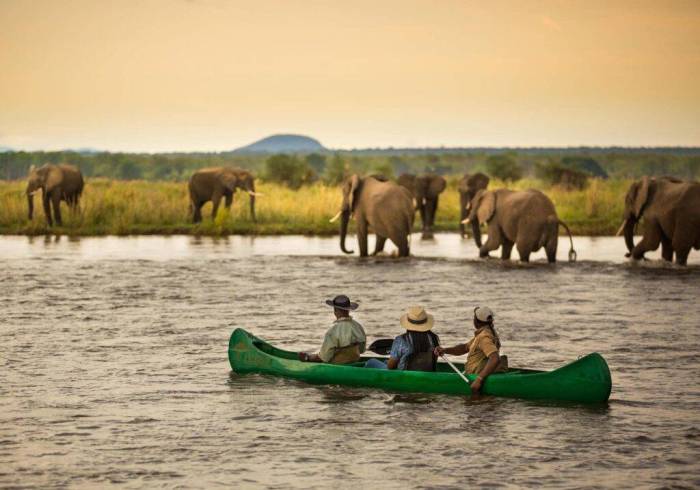
Many safari companies in Africa have implemented innovative eco-friendly initiatives to minimize their environmental impact and contribute to conservation efforts.
Use of Electric Safari Vehicles
Some safari companies have started using electric safari vehicles instead of traditional fuel-powered ones. These vehicles run on rechargeable batteries and produce zero emissions, reducing air and noise pollution in the national parks and reserves.
Tree-Planting Programs
Several safari companies have initiated tree-planting programs in the areas they operate in. By planting native trees, they help restore the natural habitat, prevent soil erosion, and provide food and shelter for wildlife.
Water Conservation Practices
Many eco-friendly safari companies have implemented water conservation practices such as rainwater harvesting, water recycling, and promoting water-saving habits among guests. These initiatives help reduce water usage and ensure sustainable water management in the fragile ecosystems.
Community Empowerment Projects
Some safari companies have launched community empowerment projects that aim to support local communities living near the wildlife reserves. These projects include education programs, healthcare initiatives, and sustainable livelihood opportunities, ensuring that the local communities benefit from wildlife tourism.
Community Involvement and Impact
Eco-friendly safari companies play a crucial role in supporting local communities in Africa. These companies go beyond just offering wildlife experiences to tourists; they actively engage with and positively impact the livelihoods of indigenous people living in and around the safari areas.
Community involvement is a key component of sustainable tourism, as it ensures that the benefits of tourism are shared with the local population and contribute to their well-being.
Supporting Local Communities
- Eco-friendly safari companies often source goods and services locally, supporting the local economy and creating job opportunities for community members.
- These companies may also invest in community development projects, such as education, healthcare, and infrastructure improvements, to enhance the quality of life for local residents.
- By involving local communities in conservation efforts and wildlife protection, eco-friendly safari companies empower them to become stewards of their natural environment.
Positive Impact on Livelihoods
- Through employment opportunities, training programs, and revenue-sharing schemes, eco-friendly safari companies help improve the economic prospects of indigenous people in Africa.
- By promoting cultural exchange and preserving traditional practices, these companies support the preservation of local heritage and empower communities to showcase their unique traditions to visitors.
- Increased awareness and appreciation of indigenous cultures can lead to a greater sense of pride and self-worth among community members, fostering a sense of ownership and responsibility for their land and resources.
Importance of Community Engagement
- Community engagement in sustainable tourism ensures that local communities have a voice in decision-making processes that affect their lives and environment.
- By involving indigenous people in eco-tourism activities, companies can promote cultural exchange, mutual understanding, and respect between tourists and locals.
- Building strong relationships with communities fosters trust, cooperation, and long-term partnerships that benefit both the tourism industry and local residents.
Wildlife Conservation Efforts
Wildlife conservation is a crucial aspect of sustainable tourism, ensuring the protection of endangered species and preserving the natural biodiversity of Africa's ecosystems. Eco-friendly safari companies play a significant role in supporting various wildlife conservation projects to safeguard the continent's iconic wildlife.
Conservation Projects Supported by Eco-Friendly Safari Companies
Eco-friendly safari companies often collaborate with local conservation organizations and wildlife reserves to fund and implement projects aimed at protecting endangered species, combating poaching, and restoring habitats. These initiatives not only contribute to the preservation of wildlife but also provide opportunities for travelers to engage in meaningful conservation efforts during their safari experience.
- Support for anti-poaching patrols and wildlife monitoring programs.
- Investment in community-based conservation initiatives that promote sustainable coexistence between wildlife and local communities.
- Contribution to habitat restoration projects to create safe spaces for wildlife to thrive.
Significance of Wildlife Conservation in Sustainable Tourism
Wildlife conservation is essential for the long-term sustainability of tourism in Africa, as it helps maintain the natural beauty and ecological balance that attract visitors from around the world. By protecting wildlife and their habitats, eco-friendly safari companies ensure that future generations can continue to enjoy the unique biodiversity of the continent.
Stories of Successful Conservation Efforts
Through their dedicated conservation efforts, eco-friendly safari companies have achieved remarkable success stories in safeguarding endangered species and preserving vital ecosystems. These companies have played a pivotal role in the recovery of populations of threatened animals and the restoration of habitats that were once on the brink of destruction.
- Reintroduction of cheetahs into protected reserves, leading to a significant increase in their numbers.
- Collaboration with local communities to establish wildlife corridors for elephants, reducing human-wildlife conflicts.
- Implementation of sustainable tourism practices that minimize the environmental impact of safari activities on wildlife habitats.
Conclusion
In conclusion, Eco-Friendly African Safari Companies You Should Know offer not just a thrilling experience, but also a chance to contribute to a sustainable future for the continent. By choosing these companies, you are not only supporting eco-friendly practices but also investing in the well-being of local communities and wildlife.
Start your journey today with these environmentally conscious safari companies!
User Queries
What sets eco-friendly safari companies in Africa apart?
Eco-friendly safari companies prioritize sustainable practices, such as minimizing environmental impact and supporting conservation efforts, setting them apart from traditional safari operators.
How do eco-friendly initiatives by safari companies contribute to conservation?
By implementing eco-friendly initiatives, safari companies help protect wildlife habitats, reduce carbon footprints, and raise awareness about conservation, making a significant impact on wildlife preservation.
What role do eco-friendly safari companies play in supporting local communities?
Eco-friendly safari companies engage with local communities by providing employment opportunities, supporting local businesses, and investing in community development projects, thereby improving livelihoods and fostering sustainable tourism.